
Facelift surgery is a method that helps improve sagging skin, wrinkles, and visible signs of aging. However, to achieve beautiful and safe results, choosing the right doctor is the most important factor.
Below is a list of the best facelift surgeons in Vietnam, evaluated based on experience, expertise, and surgical environment.
Criteria for Choosing a Reputable Facelift Surgeon
This list is compiled based on important criteria when selecting a reputable facelift surgeon:
Clear credentials and licensing
The surgeon must hold a valid practicing certificate in plastic and aesthetic surgery issued by the Ministry of Health, and publicly disclose their educational background and working experience for verification.
Professional expertise and hands-on experience
Priority is given to surgeons with advanced qualifications (Specialist I, Specialist II, Master’s, PhD) and at least 10 years of experience in plastic surgery, especially facelift procedures.
Applied facelift techniques
The surgeon must have a clear treatment direction, applying common techniques such as SMAS facelift, endoscopic facelift, or mini facelift depending on each patient’s aging condition.
Real patient reviews
There should be many positive reviews from actual patients, along with clear before-and-after images or mentions in reputable beauty communities.
Clear consultation process
The surgeon should thoroughly explain the skin condition, provide appropriate advice, and avoid pushing unnecessary additional services.
Safe surgical facility
The procedure must be performed in a licensed hospital or clinic with full anesthesia and resuscitation equipment, ensuring sterile medical standards.
Top 6 Best Facelift Surgeons in Vietnam
1. Dr. Phung Manh Cuong
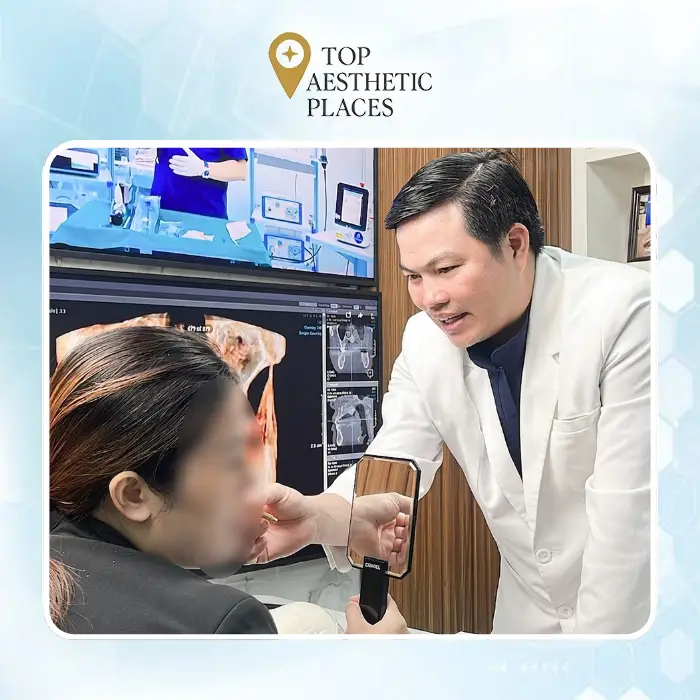
Experience: Over 15 years in plastic and aesthetic surgery
Member: International Society of Aesthetic Plastic Surgery (ISAPS)
Expertise
Dr. Phung Manh Cuong is well known for handling complex facelift cases, especially those who have undergone previous procedures but did not achieve desired results. Common issues include poor scarring, facial asymmetry, tissue contraction, or unnatural facial expressions.
A distinctive strength in his expertise is the ability to reassess previously altered anatomical structures and develop a corrective approach instead of repeating old techniques.
Practical Experience
Throughout his career, he has handled many revision facelift cases. These are considered difficult cases because the anatomical structure has already been altered, requiring precise tissue control and extensive experience to avoid complications.
In addition, he performs full facelift procedures for patients with severe aging, significant sagging, and loss of facial contours.
Surgical Method
Applies the Deep Plane Facelift technique, which directly targets the underlying supporting tissue layers instead of only pulling the skin surface. This approach releases retaining ligaments, allowing natural lifting and reducing the risk of stiffness or an unnatural appearance.
This method is typically used for severe aging or revision cases.
Advantages
- Experienced in handling complex and revision cases
- Maintains natural facial expressions after surgery
- Reduces the risk of over-tightened skin
- Long-lasting results with proper care
Suitable for
Patients with severe aging, significant sagging, or those requiring revision after previous facelift surgery.
2. Master – Dr. Le Ngoc Tuan Anh
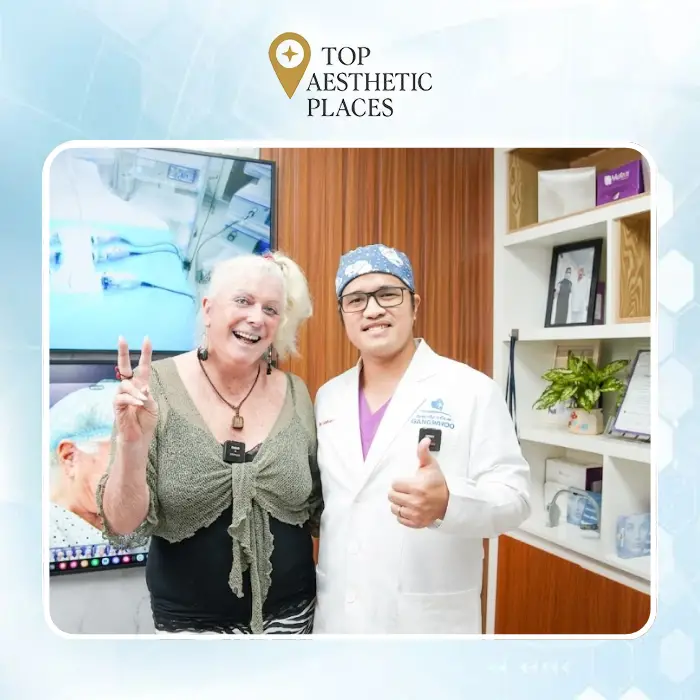
Education: Master of Plastic and Aesthetic Surgery
Experience: Over 10 years in the aesthetic field
Expertise
Dr. Le Ngoc Tuan Anh specializes in facelift procedures involving the SMAS layer, focusing on improving sagging in the cheeks, nasolabial folds, and jawline — areas where aging is most noticeable.
He focuses on reconstructing the internal support structure of the face rather than only treating the skin surface.
Practical Experience
He has performed numerous facelift procedures for various aging levels, from moderate to severe. A common patient group includes individuals with visible sagging in the cheek area and loss of jawline definition.
His experience allows him to select appropriate techniques and avoid overcorrection or incorrect method selection.
Surgical Method
SMAS Facelift targets the superficial musculoaponeurotic system (SMAS), lifting deeper structures rather than just tightening the skin. This results in longer-lasting outcomes and reduces the risk of an unnatural stretched appearance.
This method is typically indicated for moderate to severe aging cases.
Advantages
- Long-lasting results (approximately 7–10 years)
- Natural-looking outcomes without stiffness
- Incisions hidden along the ear line, minimizing visible scarring
- Suitable for various levels of aging
Suitable for
Patients with moderate to severe aging, especially sagging cheeks, deep smile lines, and loss of jawline definition.
3. Specialist II – Dr. Nguyen Phan Tu Dung
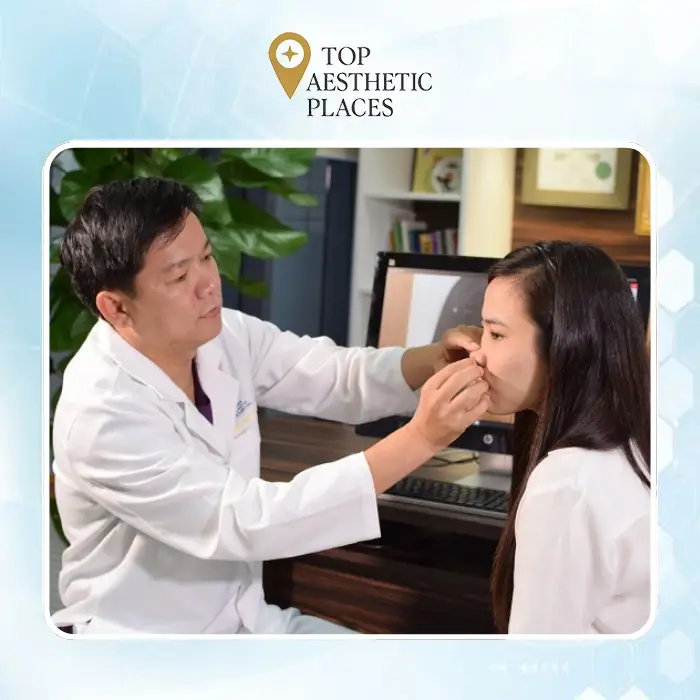
Position: Director of JW Aesthetic Hospital
Experience: Over 10 years of collaboration and professional training in Korea
Expertise
Dr. Nguyen Phan Tu Dung focuses on facial rejuvenation techniques that prioritize natural results and avoid excessive intervention. His approach mainly targets nasolabial folds, neck aging, and overall facial sagging.
Practical Experience
Throughout his career, he has applied many techniques from Korea, especially in treating areas prone to visible aging such as the cheeks and neck. His procedures aim to maintain balance and softness rather than dramatically altering facial structure.
Surgical Method
Applies facelift techniques combined with lifting methods inspired by Korean aesthetics, focusing on improving sagging while maintaining natural facial features.
Advantages
- Natural-looking results without stiffness
- Suitable for subtle and balanced rejuvenation
- Performed in a hospital setting with full safety standards
Suitable for
Patients with mild to moderate aging who prefer natural enhancement.
4. Dr. Chiem Quoc Thai
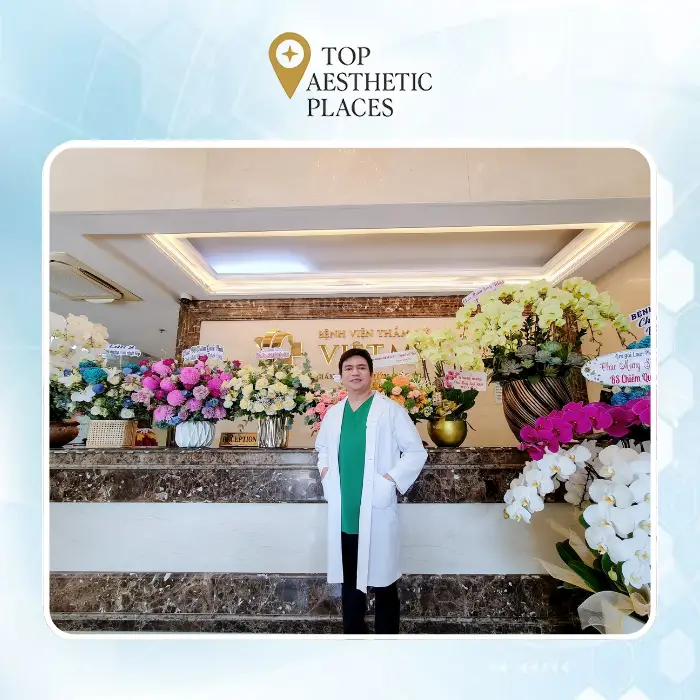
Experience: Many years in aesthetic surgery
Facility: Viet My Aesthetic Hospital
Expertise
Dr. Chiem Quoc Thai applies endoscopic techniques in facelift procedures to enhance precision during tissue dissection.
Practical Experience
He has performed many surgeries using endoscopic support, allowing clear visualization of internal structures, improving surgical control, and minimizing unnecessary tissue damage.
Surgical Method
Endoscopic facelift uses a camera system to observe blood vessels and soft tissues through magnified imaging, increasing precision during surgery.
Advantages
- Clear visualization of internal structures
- Reduced bleeding and swelling
- Faster recovery compared to traditional methods
Suitable for
Patients who prefer less invasive procedures and shorter recovery time.
5. Dr. Tran Phuong
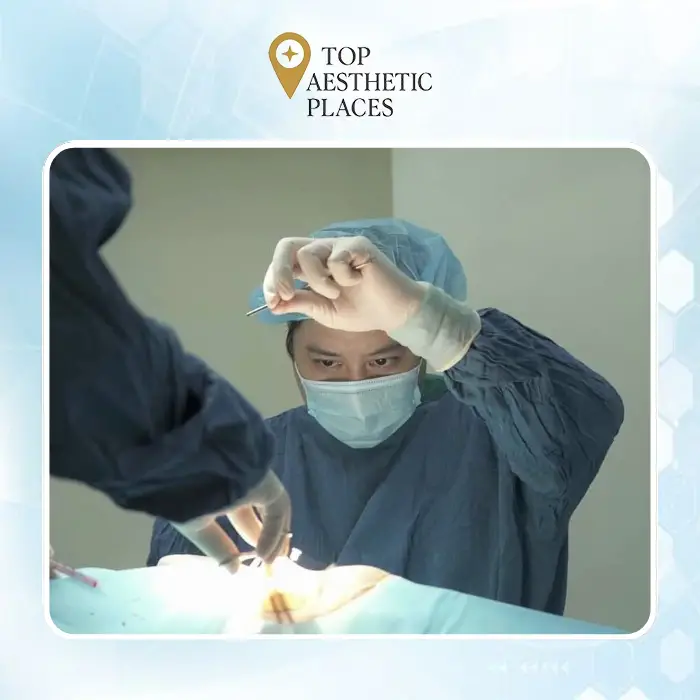
Experience: Many years in aesthetic practice
Expertise
Dr. Tran Phuong specializes in Mini Facelift procedures, suitable for individuals with early signs of aging.
Practical Experience
He has performed many mild to moderate cases, focusing on areas such as the jawline, nasolabial folds, and lower face where sagging often appears first.
Surgical Method
Mini facelift uses short incisions around the ear to remove excess skin and slightly lift underlying tissues without deep intervention like full facelift surgery.
Advantages
- Less invasive than full facelift
- Faster recovery time
- Suitable for early intervention
- Natural results without major structural changes
Suitable for
Patients aged 30–45 with mild to moderate aging.
6. Associate Professor – PhD – Dr. Le Hanh
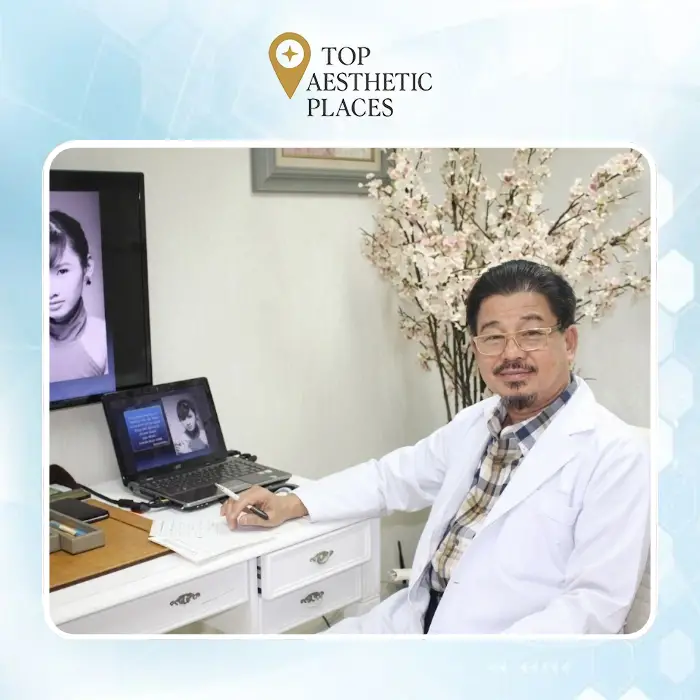
Position: President of Ho Chi Minh City Society of Aesthetic Plastic Surgery
Role: Trainer and educator for many surgeons
Expertise
Dr. Le Hanh has extensive experience in plastic surgery, especially in complex facelift procedures and severe aging cases.
Practical Experience
He has trained many generations of plastic surgeons and handled technically demanding cases, particularly in elderly patients with significant sagging.
Surgical Method
Applies appropriate facelift techniques depending on each aging condition, focusing on preserving anatomical structures and minimizing impact on facial nerves.
Advantages
- Strong academic and professional background
- Extensive experience in severe aging cases
- High safety standards in surgical practice
Suitable for
Older patients or those with severe aging requiring advanced and safe surgical intervention.
Comparison of Popular Facelift Techniques
Below is a comparison table to help distinguish each method based on actual aging conditions:
| Method | Procedure | Suitable Candidates | Duration (Estimated) | Advantages |
| Thread Lift | Inserting biological threads under the skin to lift soft tissue | Mild aging, slight sagging, patients who avoid surgery | 1–2 years (depending on thread type) | No surgery, no scarring, quick recovery (2–3 days) |
| SMAS Facelift | Lifting and tightening the SMAS layer beneath the skin | Moderate to severe aging, excess skin, deep folds | 7–10 years | Addresses root causes of sagging, long-lasting and natural results |
| Endoscopic Facelift | Using endoscopic devices through small incisions | Aging in forehead, brows, or mid-face | 5–7 years | Small incisions (hidden in hair), less invasive, minimal tissue damage |
| Mini Facelift | Short incision around the ear to treat lower face sagging | Mild to moderate aging in jawline and neck | 3–5 years | Less invasive than full facelift, faster recovery, moderate cost |
Which Facelift Method Should You Choose?
Choosing a facelift method should not be based on trends, but on actual aging condition, personal needs, and recovery time.
- Mild aging: If the skin is slightly sagging without excess skin, less invasive methods such as thread lift or mini facelift may be suitable. These methods provide moderate improvement with quick recovery.
- Moderate aging: When deep smile lines, noticeable cheek sagging, or loss of jawline definition appear, SMAS facelift is recommended for more effective and longer-lasting results.
- Severe aging: For cases with significant excess skin and sagging in both face and neck, full facelift or deep plane facelift provides more comprehensive improvement.
- Localized aging (forehead, brows): Endoscopic facelift is suitable due to smaller incisions and minimal invasiveness.
Important Notes Before Facelift Surgery
Before deciding to undergo a facelift, you should consider the following factors to ensure safety and optimal results:
- General health check: Including cardiovascular, blood clotting, liver, and kidney function tests to ensure eligibility for surgery.
- Review real cases: Examine before-and-after images of similar cases to objectively evaluate the surgeon’s skills.
- Choose reputable facilities: Prioritize licensed hospitals or clinics with full equipment and anesthesia systems.
- Prioritize experienced surgeons: Especially those experienced in handling complex cases or complications, as this directly impacts safety and outcomes.
Conclusion
Choosing the best facelift surgeon in Vietnam not only affects aesthetic results but also directly determines surgical safety.
This list is for reference purposes only. For the best outcome, you should consult directly with a qualified surgeon for a personalized assessment and appropriate treatment plan.