
Rhinoplasty is one of the most popular aesthetic procedures today because it can significantly improve facial harmony. However, to achieve beautiful and safe results, the most important factor is not the technique itself but choosing the right place to perform the surgery.
In Vietnam, more and more hospitals and aesthetic clinics are offering rhinoplasty services with a wide range of methods and price levels. This makes it more difficult to find the best place in Vietnam to get rhinoplasty, especially for those who are not experienced in the aesthetic field.
This article will help you compile a list of reputable and commonly chosen facilities so you can easily reference and select the most suitable option for your personal needs.
Why Vietnam is becoming a trusted destination for rhinoplasty?
In recent years, Vietnam has gradually become one of the most prominent destinations for cosmetic surgery in Southeast Asia, especially for rhinoplasty. Not only domestic clients but also overseas Vietnamese and international patients are increasingly choosing Vietnam for aesthetic procedures.
One of the key reasons is the surgeons’ expertise. Doctors in Vietnam have extensive experience dealing with Asian nasal features such as low nasal bridges, thick nasal skin, and short nasal tips. As a result, post-surgery outcomes tend to focus on natural harmony with the overall facial structure rather than overly exaggerated changes.
In addition, the cost of rhinoplasty in Vietnam is considered more affordable compared to countries such as South Korea, the United States, or Australia, while the service quality and surgical techniques are not significantly different. This is an important factor that makes many people consider Vietnam as a preferred destination.
Furthermore, major hospitals and aesthetic clinics now focus strongly on post-operative care processes, from monitoring recovery progress to providing at-home care instructions. This helps enhance the overall experience and ensures stable results after surgery.
Is rhinoplasty in Vietnam safe?
This is one of the most frequently asked questions, especially by international clients. In reality, the safety of rhinoplasty does not depend on the country but on the surgeon and the facility performing the procedure.
A safe surgery requires a licensed surgeon with legal certification, advanced training in plastic and reconstructive surgery, and practical experience. In addition, the facility must be properly licensed and equipped with full medical equipment as well as anesthesia and resuscitation systems.
The role of a sterile operating room and anesthesia team is also extremely important. These factors directly affect safety throughout the procedure, especially in complex cases such as structural rhinoplasty or revision surgery.
Risks in rhinoplasty can still occur; however, they can be significantly minimized when choosing the right surgeon and strictly following post-operative care instructions. Therefore, investing in a skilled surgeon is always more important than choosing a low-cost service.
Top 6 reputable rhinoplasty clinics in Vietnam
Gangwhoo Aesthetic Hospital
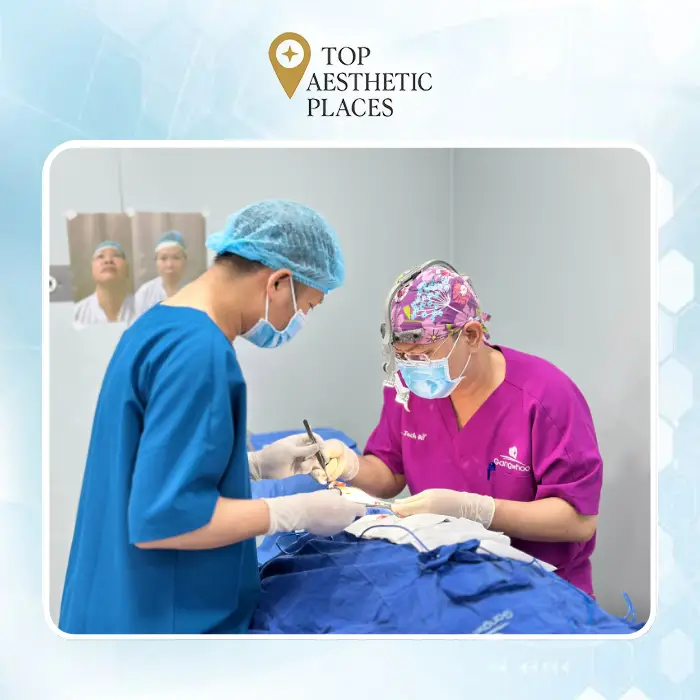
Gangwhoo Aesthetic Hospital is one of the prominent facilities in Ho Chi Minh City specializing in plastic surgery, especially structural rhinoplasty and revision rhinoplasty. With a strong focus on complex cases, Gangwhoo often handles patients who have previously undergone surgery but experienced complications such as deviation, contracture, implant exposure, or loss of shape.
In terms of expertise, the surgical team here has experience in reconstructing the entire nasal structure, from correcting weak nasal foundations to rebuilding the nasal columella using autologous cartilage. This is an important factor that ensures long-lasting results and reduces the risk of complications.
The rhinoplasty methods at Gangwhoo mainly include structural rhinoplasty, autologous cartilage rhinoplasty (ear cartilage, rib cartilage), and revision rhinoplasty. In addition, the application of endoscopic technology during tissue dissection helps improve precision, reduce invasiveness, and speed up recovery.
A major advantage of this facility is its ability to handle complex cases while still maintaining natural aesthetic results. It is suitable for individuals who have previously undergone rhinoplasty but are not satisfied, or those who require comprehensive correction.
JW Korean Aesthetic Hospital

JW Korean Aesthetic Hospital operates under a professional cooperation model with Korea, and is well known for its natural aesthetic approach that harmonizes with Asian facial features. It is one of the pioneers in applying Korean-style rhinoplasty techniques in Vietnam.
In terms of expertise, JW focuses on reconstructing nasal shape based on facial proportions rather than simply increasing nasal height. This helps ensure that post-operative results are not overly artificial or exaggerated, while still maintaining softness and natural appearance.
Common procedures here include S-line structural rhinoplasty, Korean-style rhinoplasty, and autologous cartilage rhinoplasty. These techniques often involve rebuilding the nasal support structure, refining the tip, and improving overall nasal shape.
The advantage of JW lies in stable results, a standardized hospital environment, and strictly controlled surgical procedures. It is suitable for individuals who prefer a natural-looking nose without major changes to facial structure.
Kangnam Aesthetic Hospital

Kangnam Aesthetic Hospital is a large aesthetic system with branches in both Ho Chi Minh City and Hanoi, known for its professional service process and diverse rhinoplasty methods.
In terms of expertise, Kangnam offers various rhinoplasty solutions suitable for different conditions, from basic procedures to structural rhinoplasty. This gives clients multiple options depending on their needs and budget.
Rhinoplasty methods here include Korean rhinoplasty, structural rhinoplasty, and autologous cartilage rhinoplasty. The facility also emphasizes the use of high-quality artificial cartilage to improve compatibility and reduce complications.
A major advantage is its modern infrastructure, clear procedures, and accessibility. This is a suitable option for first-time rhinoplasty patients who need a stable and easy-to-access facility.
Viet My Aesthetic Hospital

Viet My Aesthetic Hospital is a long-established facility in the aesthetic industry, associated with many cosmetic procedures including rhinoplasty.
In terms of expertise, the hospital focuses on integrating endoscopic technology into surgery to improve precision during tissue dissection. This helps minimize damage to blood vessels and surrounding soft tissues.
Common rhinoplasty methods here include endoscopic rhinoplasty and structural rhinoplasty. With magnified imaging support, surgeons can better control the surgical process.
The advantage of this approach is reduced swelling and faster recovery compared to traditional methods. It is suitable for individuals who prioritize minimally invasive procedures and quick recovery.
Dr. Duy Aesthetic Institute
Dr. Duy Aesthetic Institute specializes in rhinoplasty with a highly personalized design approach. A key feature of this facility is that the surgeon directly analyzes facial proportions and designs the nasal shape based on each individual’s facial structure.
In terms of expertise, Dr. Duy focuses on sculptural rhinoplasty techniques, where every detail of the nose is refined to match overall facial harmony instead of applying a fixed template.
Rhinoplasty methods include structural rhinoplasty and nasal tip correction using autologous cartilage. In addition, advanced cosmetic suturing techniques are used to minimize scarring and ensure long-term aesthetic results.
The advantage of this facility is its high level of customization and facial harmony optimization. It is suitable for individuals who desire detailed aesthetic refinement and unique outcomes.
Department of Plastic and Reconstructive Surgery – 108 Military Central Hospital
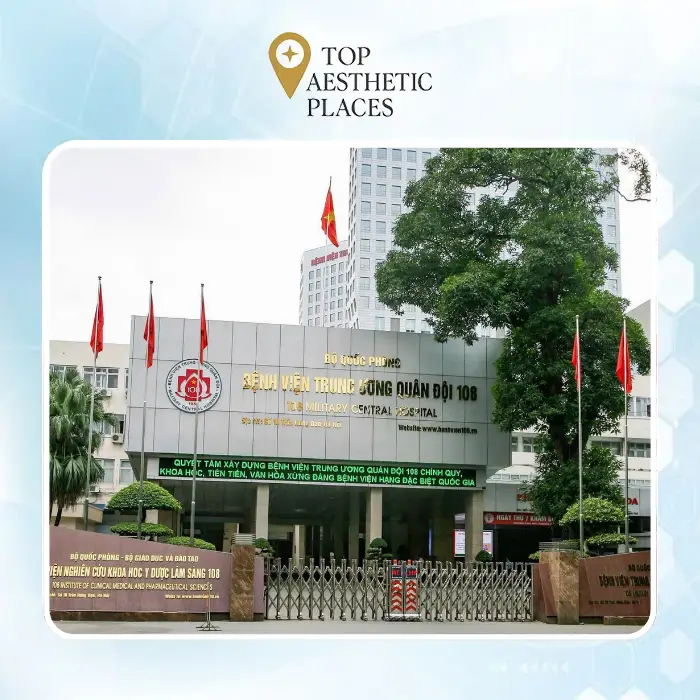
The Department of Plastic and Reconstructive Surgery at 108 Military Central Hospital is a highly reputable public medical unit in Vietnam. It is known for strict medical safety standards.
In terms of expertise, the medical team consists of leading specialists with experience in both cosmetic surgery and complex cases such as trauma reconstruction and congenital deformities.
Rhinoplasty procedures here focus on safe and durable techniques, including structural rhinoplasty and nasal reconstruction using autologous cartilage.
The biggest advantage is safety, standardized medical protocols, and a highly qualified surgical team. It is suitable for patients who prioritize safety and prefer undergoing surgery in a public hospital setting.
Comparison of popular rhinoplasty techniques
Currently, there are several rhinoplasty techniques, each suitable for different nasal conditions and personal needs. Understanding the differences helps you choose the right treatment direction instead of following trends.
| Method | Procedure | Suitable candidates | Recovery time & invasiveness | Advantages |
| Silicone implant rhinoplasty | Silicone implant combined with autologous cartilage at the nasal tip | People with stable nasal base needing slight enhancement | Low invasiveness – fast recovery (5–7 days) | Less pain, reduced tip complications, fast recovery |
| Structural rhinoplasty | Full nasal reconstruction: columella support, tip and bridge correction | Low bridge, short, upturned or deviated nose | High invasiveness – medium recovery (7–14 days) | Comprehensive improvement, long-lasting results |
| Rib cartilage rhinoplasty | Using autologous rib cartilage for full nasal reconstruction | Complex cases, multiple failed surgeries or sensitive constitution | Very high invasiveness – longer recovery (10–20 days) | High compatibility, low rejection risk, suitable for complex cases |
Important notes before coming to Vietnam for rhinoplasty
If you plan to travel to Vietnam for rhinoplasty, proper preparation is essential to ensure a smooth process.
You should stay for at least 7 to 10 days to allow enough time for surgery, post-operative monitoring, and stitch removal. This is the minimum period needed for doctors to evaluate initial recovery.
Before traveling, you should contact the clinic for consultation via images or videos. This helps doctors assess your nasal condition and recommend suitable methods, while also helping you prepare for cost and timing.
In addition, a full health check before surgery is very important, especially regarding cardiovascular health, blood clotting, or underlying medical conditions.
After surgery, you must strictly follow aftercare instructions, attend follow-up appointments on time, and avoid activities that may affect nasal shape during the healing process.
For international patients, it is recommended to choose clinics that provide remote follow-up support to monitor recovery after returning home.
Conclusion
Vietnam is now one of the most popular destinations for rhinoplasty thanks to its skilled surgeons, modern techniques, and reasonable costs. However, there is no single best place in Vietnam to get rhinoplasty for everyone, as each hospital and clinic has its own strengths.
The right choice depends on your nasal condition, aesthetic goals, and consultation with a qualified specialist. Careful research and professional advice are essential to achieve safe and satisfying results.